


Imagine having a direct hotline to your customers, where you’re not competing with social media algorithms or paying for every eyeball. This is the power of email marketing. It is still one of the most powerful digital marketing channels that exists today.

It’s no secret that email has a higher commercial conversion rate and ROI compared to social media. But for a lot of people just starting out, the thought of even creating a list and setting up campaigns is daunting. Where do you get the emails? What should you write? How don’t you get into the spam folder?
The good news is that starting needn’t be as complicated as it sounds. This guide will take you through the basics of how to get started with your first email marketing strategy — from choosing the right tools, to creating a list, and hitting “send” on your first campaign.
Why Email Marketing is Such a Huge Time Saver
Before we get to the “how,” let’s discuss the “why.” You may think of email as old-school compared with TikTok or Instagram, but the numbers say otherwise.
Email gives you the power to own your audience. If a social media platform goes out of business tomorrow or modifies its rules, you could lose them all overnight. You own that data with an email list. It’s an endlessly appreciating asset for your business.
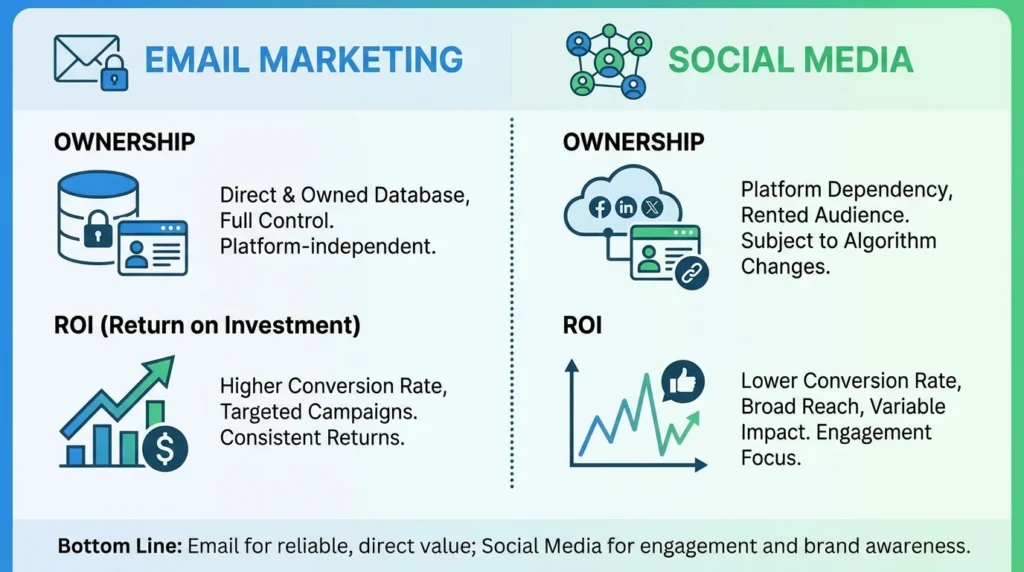
What’s more, these folks on your list have “opted in” to receive communication from you. They do want to hear from you. This in turn equates to higher engagement rates and more sales.
Step 1: Select Your Email Marketing Service Provider
You can’t use a gmail or outlook account to send mass marketing emails. Your emails are not only going to get stuck by a daily sending limit, they will also go into spam too. You have to have an ESP (email service provider) that you work with.
What to Look for in an ESP
The following aspects should be considered when choosing a tool:
- User Friendly: Is it easy to use? Do you have a drag-and-drop editor for building emails?
- Automation: Can you automate welcome emails or drip campaigns?
- Cost: Does it have a free tier for the beginner level? Is the pricing model in line with your growing list?
- Analytics: Does it give transparent read and click-through reports?
Popular Options for Beginners
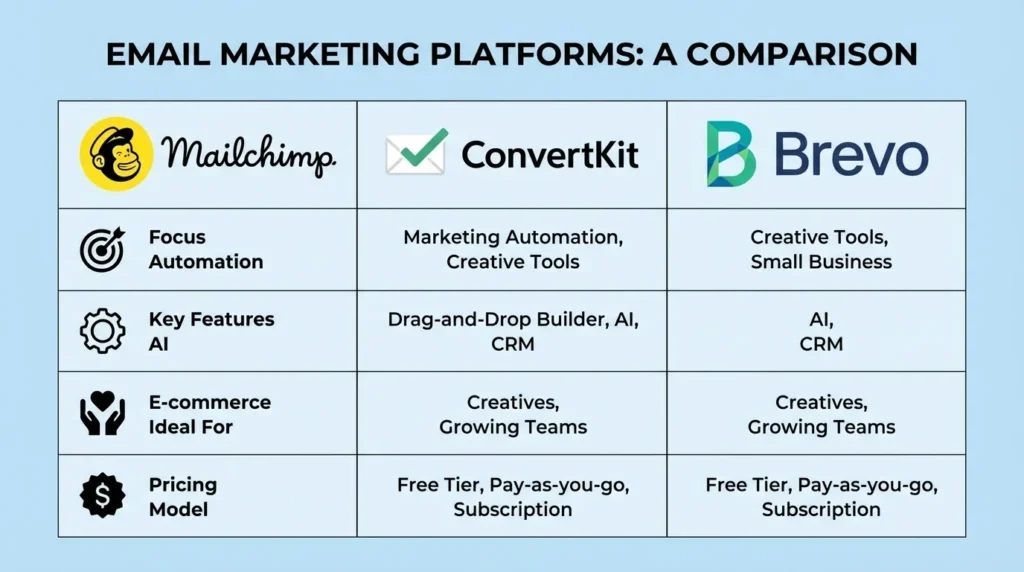
- Mailchimp: Offers (relatively) easy-to-use service and a generous free plan.
- ConvertKit: Great for creators and bloggers looking for simple text-based emails.
- Brevo (formerly Sendinblue): Best for budget-friendly advanced automation.
Step 2: Grow Your Email List Through Legal Means
Once you’ve got your tool, you have to have someone to email. The number-one rule of email marketing is that you should never buy an email list. Purchased lists don’t work; they are illegal (in the context of privacy laws such as GDPR and CAN-SPAM), will hurt your sender reputation.
You have to build your list naturally! This requires voluntary consent from people.
Create a Lead Magnet
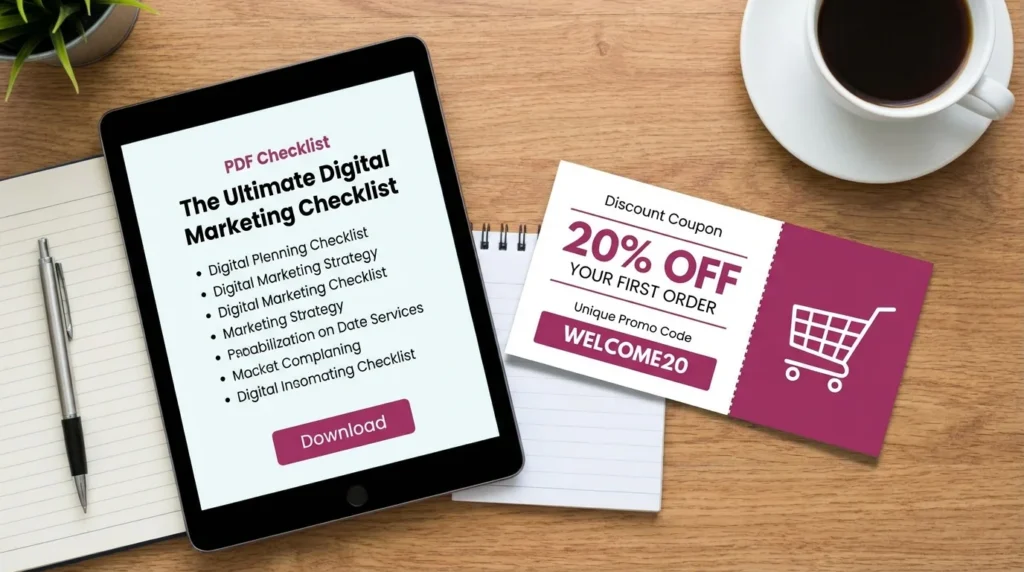
Almost nobody is going to take the time to join in order to “get updates.” You have to give them a value for their e-mail address. This is called a lead magnet.
Examples of Effective Lead Magnets
- E-commerce: “15% off your first order.”
- Consultants/Coaches: “The Ultimate Productivity Checklist.”
- Bloggers: “Get access to our free resource library.”
Place Opt-in Forms Strategically
Facilitate sign-ups. High-Visibility Areas To use them in high-visibility:
- The Homepage Header: Where everything, quite literally, starts.
- In Blog Posts: If they like your post, they might want even more.
- Exit-Intent Pop-ups: These are presented to visitors if and when a user moves their mouse out of the screen (like going up to click on your back button), giving you one more chance to connect.
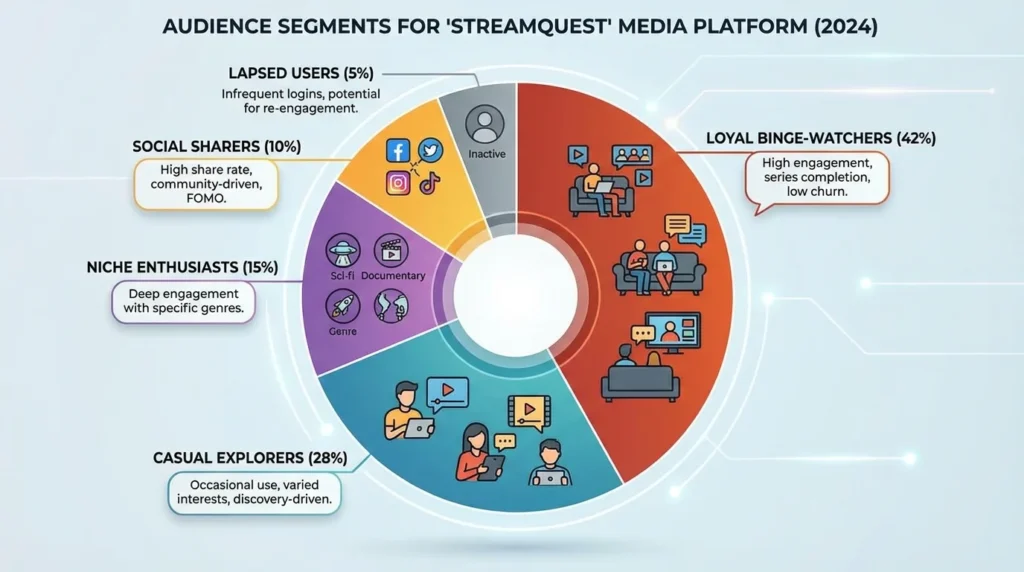
Step 3: Segment Your Audience
Imagine getting an email telling you to buy cat food even when you don’t have a cat. You’d probably unsubscribe. And that’s why you must segment here.
Segmentation entails breaking your email list down into small groups according to certain criteria. This enables you to get a super-targeted content to the right audience.
Simple Ways to Segment
- Demographics: Location, age, or gender.
- Buy History: New people, or repeat buyers.
- Interests: Depending on which lead magnet they downloaded.
- Engagement: People who open every email vs. those who haven’t opened one in months.
Segmenting helps you keep your subscribers in the loop about things that affect them, which significantly boosts your open and click-through rates.
Step 4: Write Your First Campaign
Now comes the creative part. Composing a marketing email is not the same as writing a business letter. It should be personal, interesting and clear.
Crafting the Subject Line
Your subject line is what guards the gate. If it’s dull, your email never will be opened.
- Keep it brief: Less than 50 characters works best for mobile users.
- Generate curiosity: “You won’t believe what we just launched…”
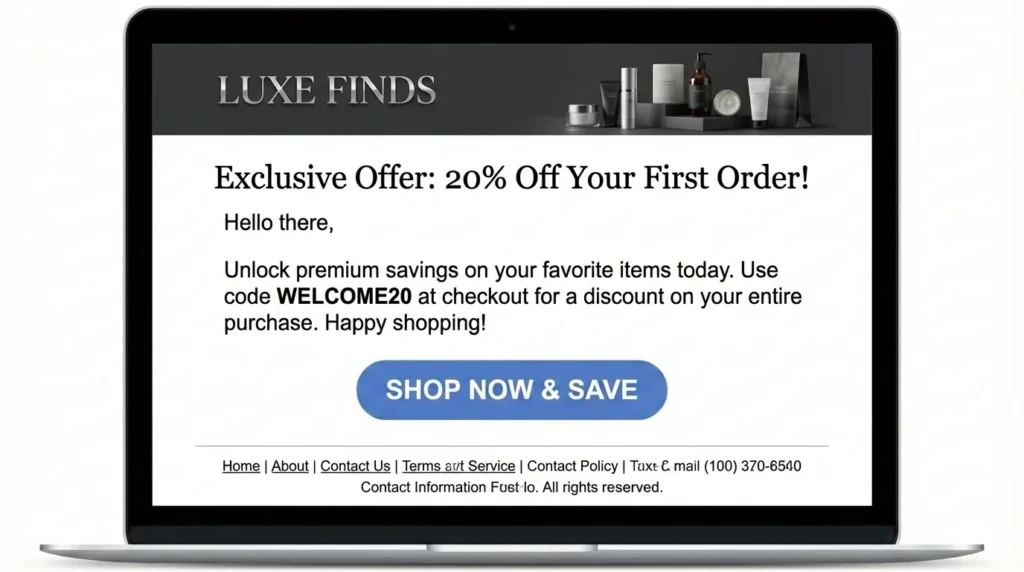
- Be specific: “Inside, your 20% discount code.”
Writing the Body Copy
Write as you would speak to a friend. Use “you” and “I” to establish a connection. Keep paragraphs short (1-3 sentences) to make it easier to read on a smartphone.
Why AC Market Apk: The following are the features or benefits of the app. But don’t just tell them you’ve got a new product; tell them how that product is going to solve their problem or make their life better.
The Call to Action (CTA)
Every e-mail needs have one clear purpose. Do you want them to read a blog? Buy a product? Register for a webinar?
Ensure that your CTA is visible and clear. Use a button, not just a text link, and with action-oriented language such as “Shop Now,” “Get Your Guide” or “Reserve My Spot.”
Step 5: Make Your Welcome Series an Automated One
You don’t need your computer to send every email. Automation means you can create an email and have it send itself automatically by putting triggers in place.
The Welcome Series is easily the most important automation.
If someone subscribes, they want to hear from you right away. After the opt-in, a welcome email should send them to your promised lead magnet and explain who you are and what they can expect from your brand.
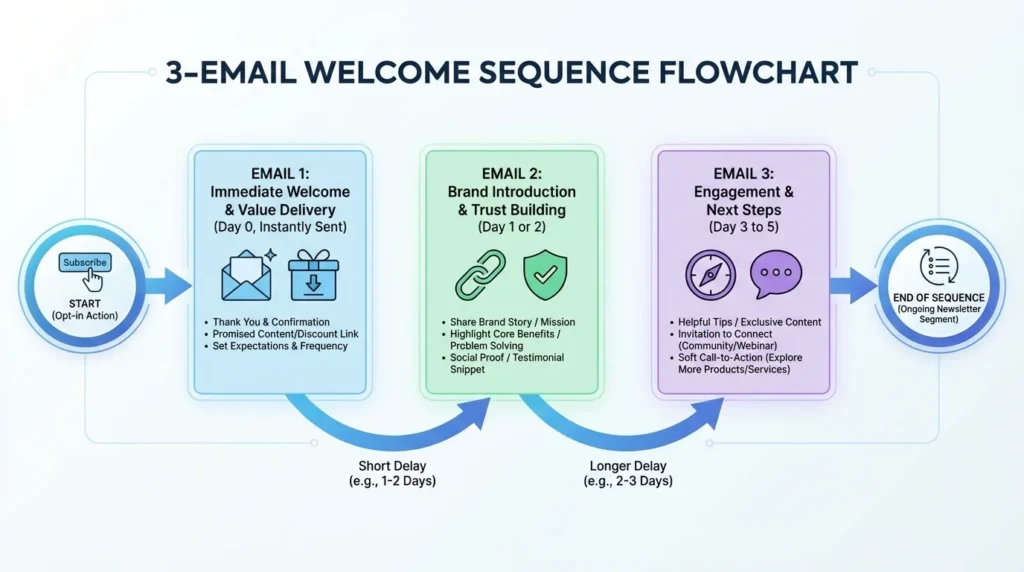
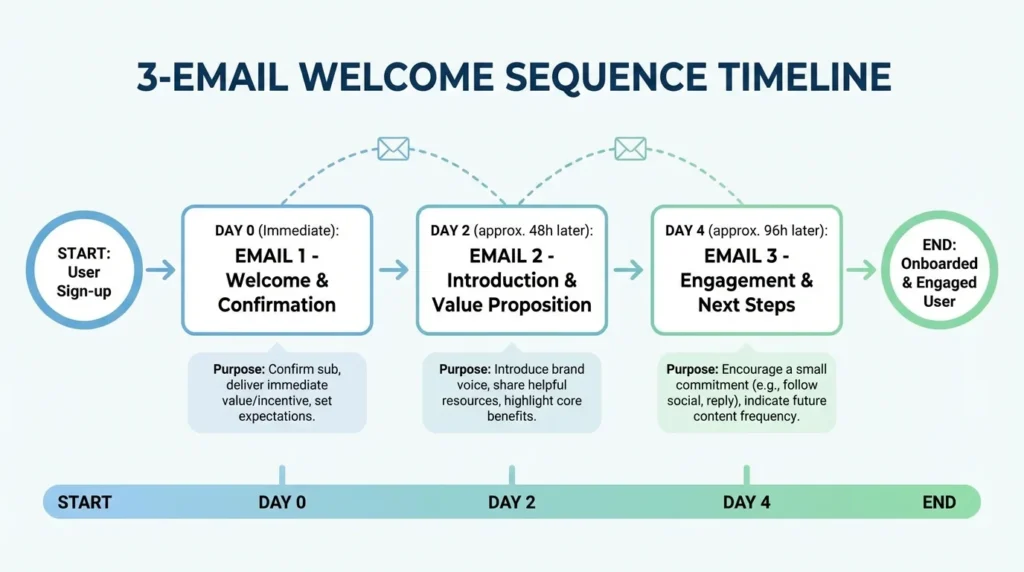
A Simple 3-Email Welcome Sequence
- Email 1 (Sent immediately): Send the freebie out (discount/PDF). Say thank you.
- Email 2 (Sent 2 Days Later): Share you or your brand’s story. Tell them what value they will get from your emails.
- Email 3 (Sent 4 days later): Give them something of pure value – your best-selling tip, a popular blog post or a helpful video. No hard selling yet.
[image here: Timeline flowchart of 3-email welcome sequence]
Step 6: Analyze and Optimize
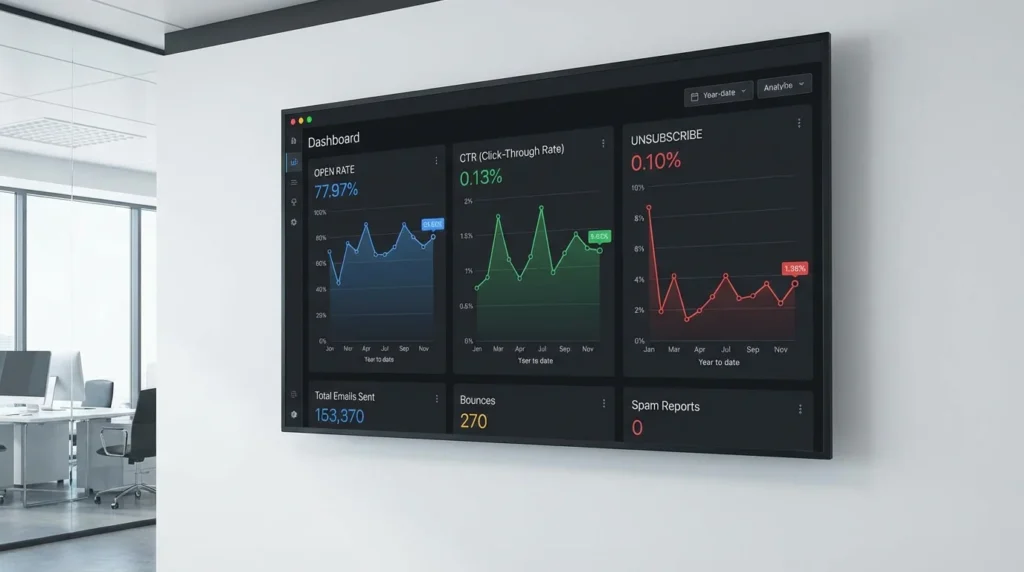
Like most things, email marketing is never really finished. You will not get everything right on day one. Nearly all ESPs offer analytic dashboards that show you how your emails performed.
Key Metrics to Watch
- Open Rate: The number of people that opened your email. If it’s low, fix your subject lines.
- Click-Through Rate (CTR): The proportion who clicked on a link. If this is low go look at your email content and CTA.
- Unsubscribe Rate: The amount of people who unsubscribed from your list. If this number shoots up, you’re likely sending too many emails or email that isn’t relevant.
Optimize using A/B testing (split testing). Send two different versions of an email with different subject lines to 10 percent or 15 percent of your list — whatever number statistically makes sense for meaningful feedback on which one wins — then send the winner to everyone else.
Summary
Beginning email marketing doesn’t take a degree in marketing or premium software. It takes a goal, the right means to manage your list and commitment to delivering value for your subscribers.
Begin with a reliable provider and offer an engaging lead magnet. Instead, work on building a clean list of permission-based customers that want what you offer and forget the vanity number. Be a human, treat the inbox with respect, and use automation to save time.
As you expand, let the data about what people want and need reshape your thinking. Test, learn and test again your strategy. Your email list is bound to end up one of your business’s most prized possessions.
Frequently Asked Questions (FAQs)
How often should I email?
Consistency is key. For the majority of companies, a weekly rhythm is good. If you email too infrequently, people forget about you; too frequently and they just might unsubscribe. Begin with a bi-weekly or weekly newsletter and tweak according to engagement.
What is a good open rate?
Open rates differ by industry, but in general, a healthy open rate is one that is between 20% and 30%.
Can I do email marketing with Gmail?
No, you can’t. Personal email services such as Gmail are not meant to send bulk emails. You can get your account suspended as well as be in breach of anti-spam statutes. There should be a dedicated Email Service Provider throughout.
What do I do if I get hate when unsubscribing?
A: Don’t take it personally. Unsubscribes are part of the natural course of list hygiene. Better have a small list of people who ‘get’ you, than a huge one who don’t.