


We the people open our email inboxes every single day. We scan subject lines and delete spam, clicking on messages that draw us in. But have you ever paused to consider what goes on behind the scenes?
How does it feel like a brand magically knows to send you that coupon code just in time for shopping for new shoes? That’s not magic, that’s the machinery of email marketing working. It’s all a bit of a head fuck from the outside, but everything is really quite rational. Learning how to use these moving parts in complementary ways is the key to unlocking them for your business.
Whether you are a business owner, a blogger or simply an inquisitive person, this post simplifies the technical and strategic aspects of email marketing when it comes to frequency.
The Central Life of an Email Marketing Ecosystem
The simplest form of email marketing is the sending of commercial messages to a group of people using email. But you can’t simply unlock your own personal Gmail account, copy in 500 addresses and click send. That’s a shortcut to being blocked.
Professional email marketing is the result of an ecosystem built around three key parts:
- The Sender (You): Who is originating the message, this can mean a business or an individual.
- The Platform (ESP): The system that maintains the list and sends the messages.
- The Subscriber (Your Audience): The individual who opted-in to receive your communications.
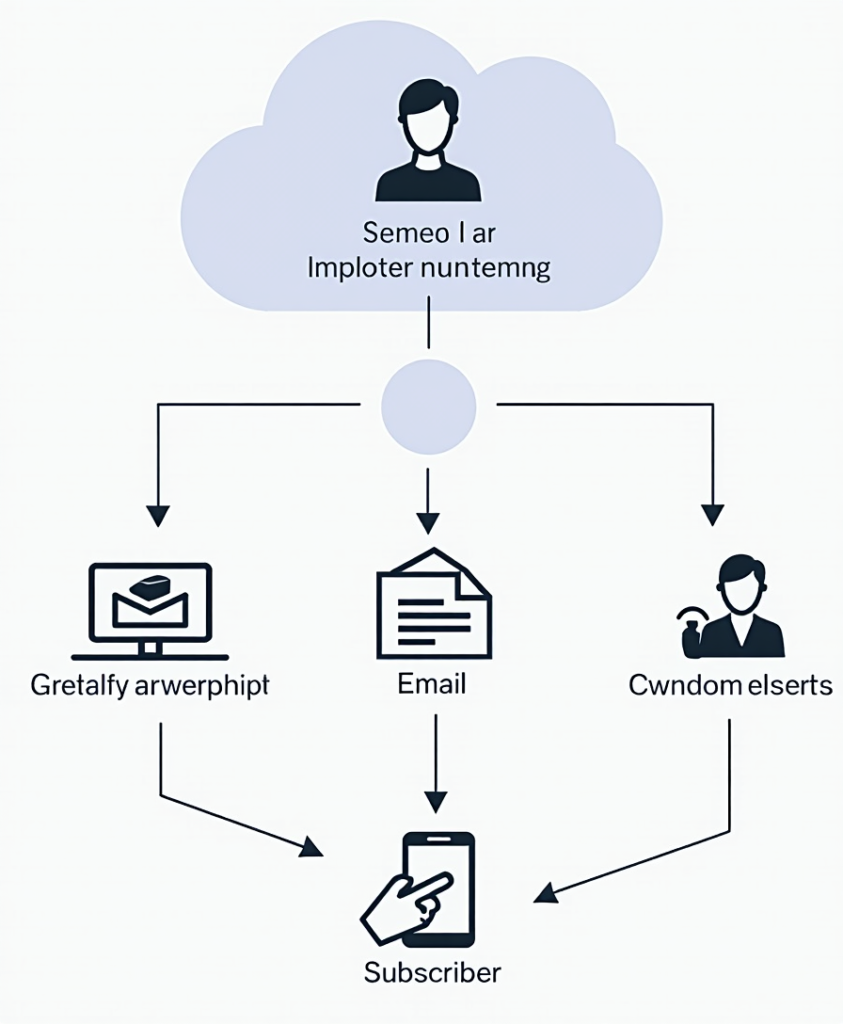
Here’s how those puzzle pieces fit together to create a winning campaign.
The Engine Room: ESPs
A service that does the heavy lifting of email marketing is your Email Service Provider (ESP). Mailchimp, Constant Contact, or ConvertKit are the engine room.
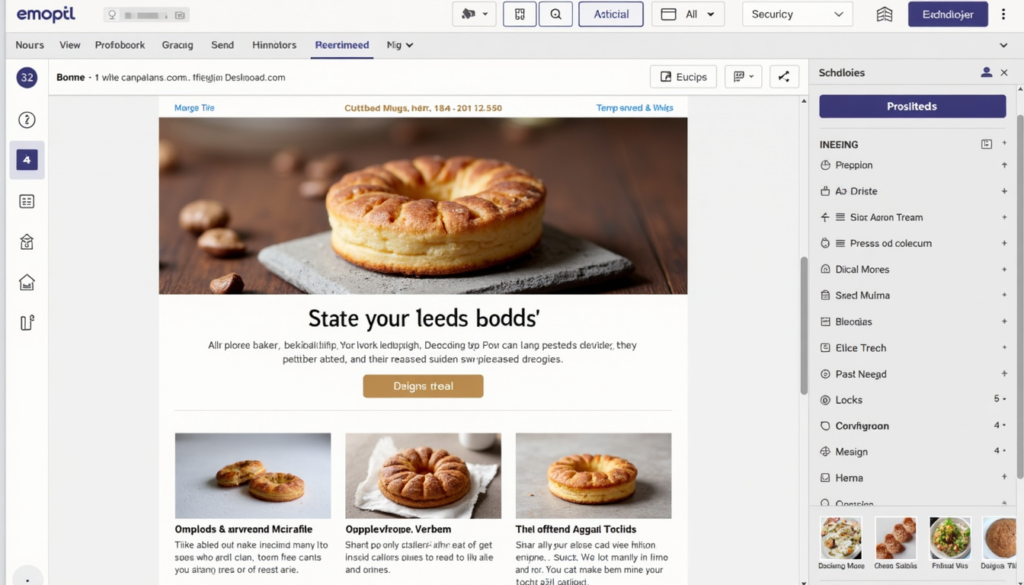
So, when you send a marketing email, you are not sending it directly from your computer to the receiver. Instead, you log in to your ESP dashboard. Here’s what the ESP takes care of for you:
- List Management: It saves your contacts safely. Sends automatic sign-ups and unsubscribes.
- Design: Allows you to design visual emails without code.
- Delivery: It deploys specialty servers with “high reputation” to help ensure that emails really do land in inboxes, as opposed to spam folders.
- Tracking: It puts invisible tracking pixels in your emails to let the sender know who opened them and what links you clicked.
Real-World Example
Suppose you run a bakery. You need to promote a new croissant flavor. Instead of making a BCC list with 100 other people in Outlook, you log into your ESP, ID’S your “Pastry Lovers” mailing list, create an beautiful e-mail & the smtp sends out individual copies to everyone on that mutual list.
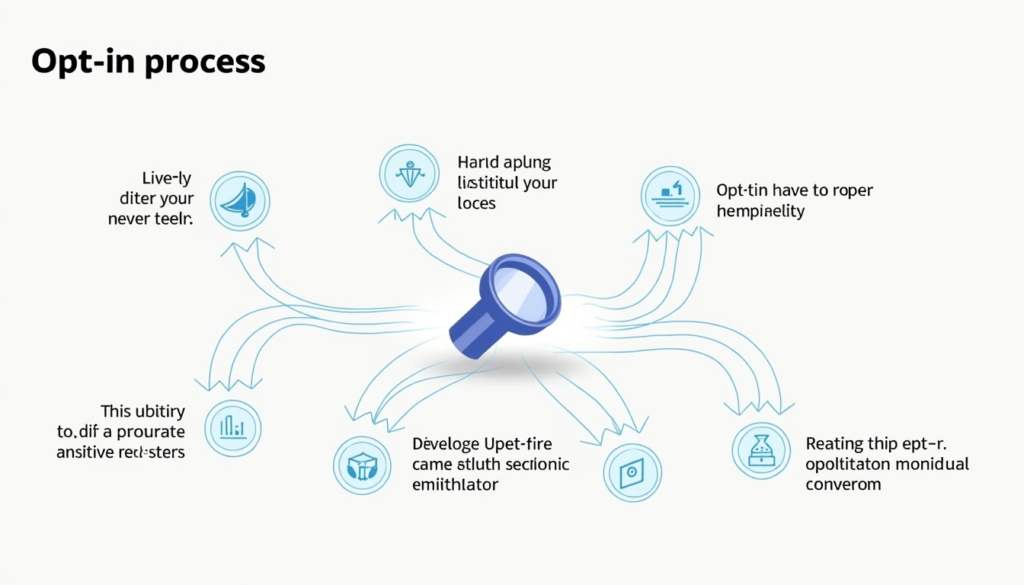
The Fuel: Grow a Permission-Based List
And email marketing is only as effective as the pool of people you’re able to email. But not just anybody — you need people who want to hear from you. This is known as “permissions marketing.”
The process works like this:
- The Offer: You’re making an offer of value swap. “Give me your email address, and I’ll give you X.” This X could be termed a “lead magnet” (e.g. coupon code, free guide or exclusive tips).
- The Opt-In: The user submits a form on your site. This form integrates with your ESP right out of the box.
- Confirmation: A “double opt-in” e-mail is the best. The user needs to click on a link and verify that they truly own that address. This is how you keep your list clean and healthy.
If you short-circuit the permission process and purchase a list, failure can occur here as well. Your ESP will probably tag your account for high spam complaints and your reputation is sunk.
The Strategy: Segmentation and Targeting
One of biggest email marketing myths is that you’re sending the same message to everyone. What you’re talking about is actually the “spray and pray” approach, and it hardly ever works.
Today’s email marketing is all about segmentation.
Since your ESP houses information about who your subscribers are (like where they live, what they’ve purchased from you, or things they clicked on), you can subdivide your list into smaller groups.
How it Looks in Practice
- The Clothing Merchant: They do not send an email about men’s winter coats to a female subscriber, who lives in Florida. They do a filter on their list of “Gender: Male” and “Location: Cold Climate.”
- The Software Company: They’re not going to send a “Buy Now” email to some guy who just bought it yesterday. They filter for “Has not purchased yet.”[
When the message is intended for a specific audience, and that audience gets it, the engagement goes through the roof because not only does the recipient feel understood.

The Automation: Flows and Triggers
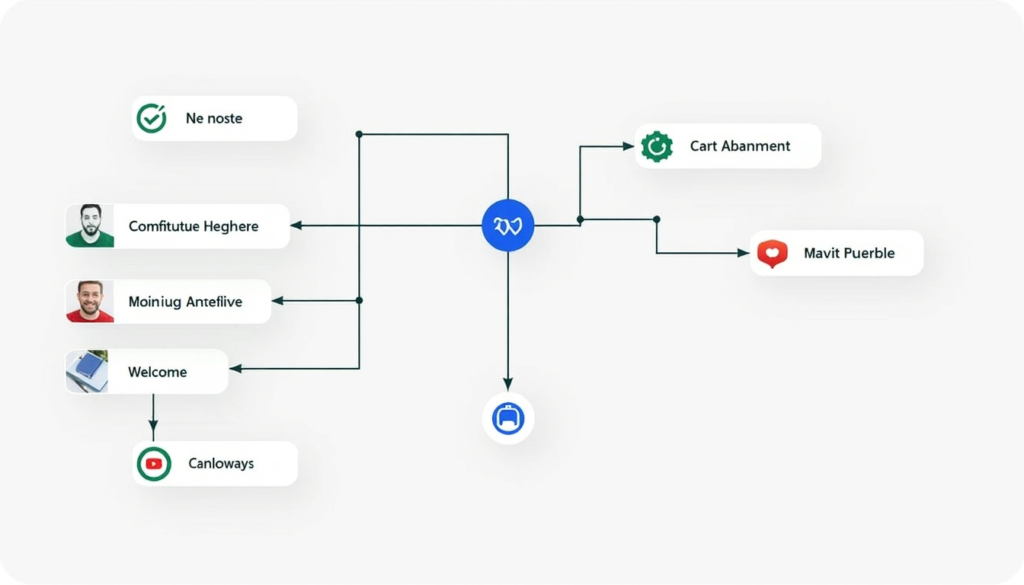
Here’s where email marketing comes in like a superpower. You do not need to press a button to “send” every interaction. You can automate (which often gets called “flows”) things to run while you’re asleep.
These work on “If/Then” logic:
- Trigger: The “If” part. (e.g., If a subscriber subscribes to the list…)
- Action: The “Then” part. (e.g., …Then wait 1 minute and email the Welcome Email.)
Common Automated Workflows
- Welcome Series: Prompts upon sign up for brand introduction.
- Abandoned Cart: This is set off the moment a customer makes an effort to add products into their cart and exits the site without making payment.
- Re-engage: Sends to subscribers who haven’t opened an email in 60 days, asking if they still want in.
The Feedback Loop: Analytics and Tuning
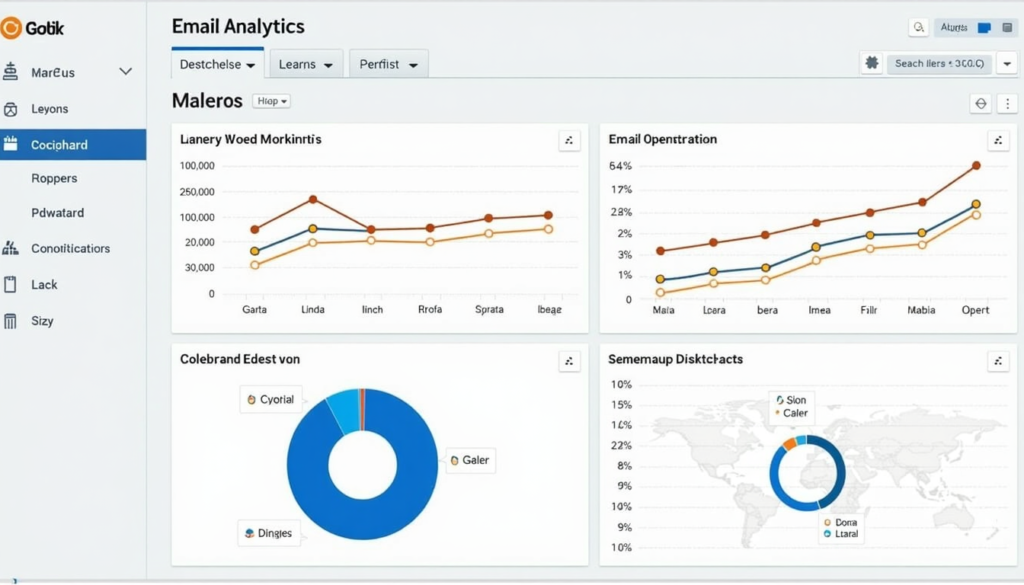
Once an email is gone, it’s not gone. The ESP follows along to see how your email does, gleaning data that helps you get better.
Here’s how the feedback loop goes:
- Delivery Rate: Was the email delivered in the first place? If not, your list is likely to be full of garbage addresses.
- Open Rate: DID THEY READ THE SUBJECT AND DECIDE TO OPEN? If it’s low, your subject lines suck.
- CTR (Click-Through Rate): Did they click the link within? If this is the case, you might not have been all that persuasive.
Good marketers monitor these numbers on a weekly basis. And they don’t just shoot from the hip here — they test out a variety of subject lines (A/B testing), and continue to get smarter based on results.
Summary
Email marketing involves more than writing a message and hitting send. It’s a system that’s as much about technology, psychology, and data.
It begins with a solid platform (ESP) that oversees the technical send. It is based on a permission-based list of committed subscribers. It applies segmentation to maintain relevance, automation to multiply efforts and analytics to continually optimize.
When these gears all mesh well together, email marketing is a powerful engine for building relationships and expanding business.
Frequently Asked Questions (FAQs)
Can I do email marketing even if I have no website?
Yes, you can! Most Email Service Providers will let you design simple “landing pages” hosted on their servers, where people can subscribe to your list even if you don’t yet have a whole website.
Is email marketing expensive?
It is very scalable. Most platforms, including Mailchimp and Brevo, have free plans aimed at people getting started with small lists (often 500 or 1,000 contacts), too. You keep getting bigger and make money off your list, so now the cost also rises.
What causes emails to appear in the “Promotions” tab on Gmail?
Gmail has scanning algorithms for the incoming mail. If it finds lots of HTML coding, many images, or typical sales verbiage (such as “Purchase now!” or “Free offer”), then it marks the email as promotional. That’s not necessarily a bad thing — people do go to that tab to look for deals.
Does it matter what I put in an email’s ‘subject line’?
Content You’d think the content of your email would take the cake here, but you would be wrong (and SORRY!). If the subject line isn’t enticing, they won’t open the email, and all that copy you spent time creating goes down the drain.