



Email marketing provides a direct way to interact with people interested in your brand. It does this by sending tailored messages out to a group of subscribers who have all agreed to receive news from you. Think of it as a line through which you can communicate directly, build up relationships with customers and guide them on their journey.

You own your mailing list. This means that it is a stable and dependable business asset. When done with some smarts, it can be an engagement driver, a sales booster and a source of long-term loyalty. This guide will run over the basics of getting started.
Why Email Marketing Matters
In the fast-changing world of social media, email reaches out to people. It offers a direct and intimate channel of communication where your audience already resides: right in their inbox. I write this book on the assumption that return on investment (ROI) for e-mail marketing is among the highest in digital publishing.
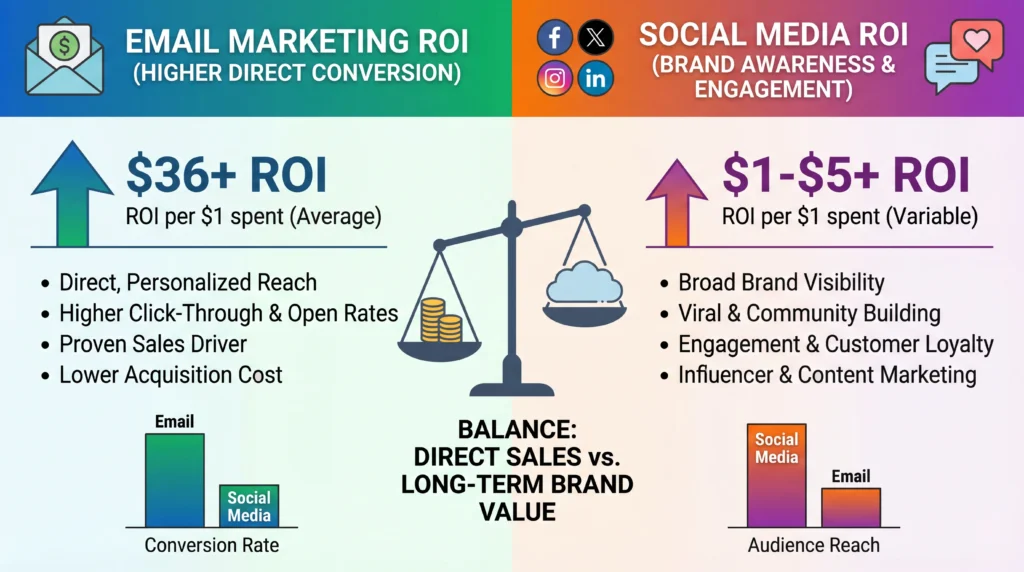
By building an email list you build up a “tribe” – a devoted following who have explicitly given you permission to contact them and therefore are far more “warm” to your message than a cold audience.
Key Benefits of Email Marketing
- High ROI: Email continues to give strong results for every dollar you spend. Many businesses can point to a high return.
- Direct Communication: With no intervening algorithms, you can serve customized content directly to your customers.
- Audience Ownership: Your e-mail list is yours to use as you please. You do not need to worry about policy changes on third-party platforms.
- Targeted & Personalized: Divide your audience and send them very relevant messages. This will increase effectiveness and engagement.
- Drives Conversions: Use strategic e-mail sequences and promotions to move subscribers from awareness to purchase.
[image here: Icons or chart showing the 5 key benefits]
How To Build Your Email List
The quality of your email marketing is determined by the quality of your list. The trick is to attract subscribers who really want what you have to offer. But forcing people to sign up or buying lists is a bad habit that leads to low engagement and high unsubscribe rates.
Instead, try to give value. Give something worth having in exchange for an e-mail address you are seen frequently offering this kind of content are known as a “lead magnet.”
Some Effective List Strategies
- Lead Magnets – Offer free resources, like e-books, checklists, templates or webinars. For instance, the fitness blog might offer a 7-Day Workout Plan PDF.
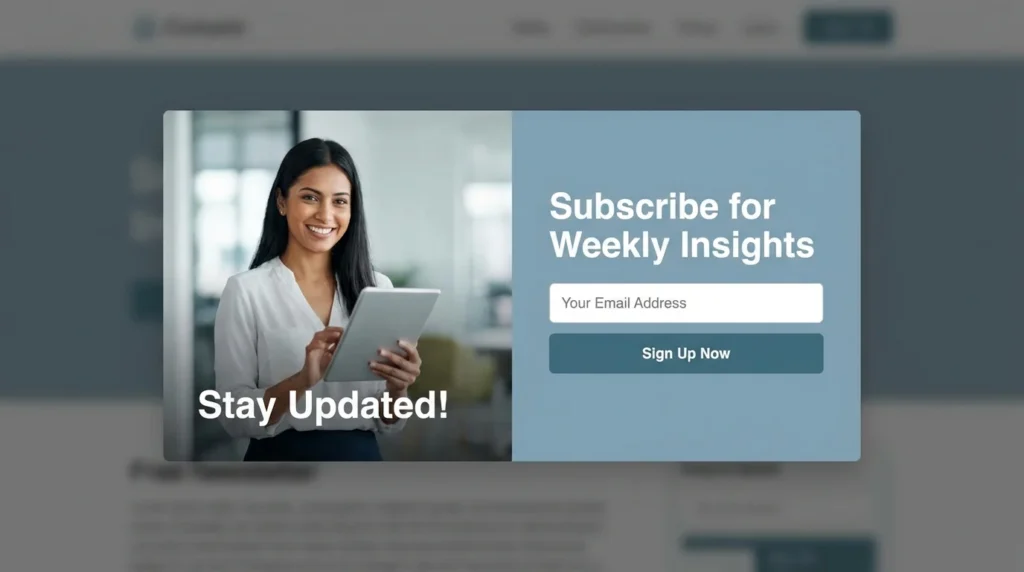
- Pop-up Forms – Use well-timed, unobtrusive pop-ups on your website to invite visitors for their Email address. You might give them a discount on their first purchase.
- Embedded Forms – Place subscription forms inside your blog posts, on your homepage and in the footer of your website.
- Landing Pages – Create dedicated pages for your lead magnets. This focused approach encourages visitors to take a single action: sign up.
Types of Marketing Emails
Not all Emails are created equal. Knowing their different kinds helps you send the right message at the right time. Likely your Email strategy will involve some combination of these formats.
Newsletters
The goal of newsletters is to keep your audience informed and engaged. You might send them the latest blog updates, company news, industry insights from others in your field of work or aggregations of company related got some good results. In short, the purpose is providing value and ensuring that you are in the top of your audience’s mind when they think about X type (or kind) product.
Promotional Emails
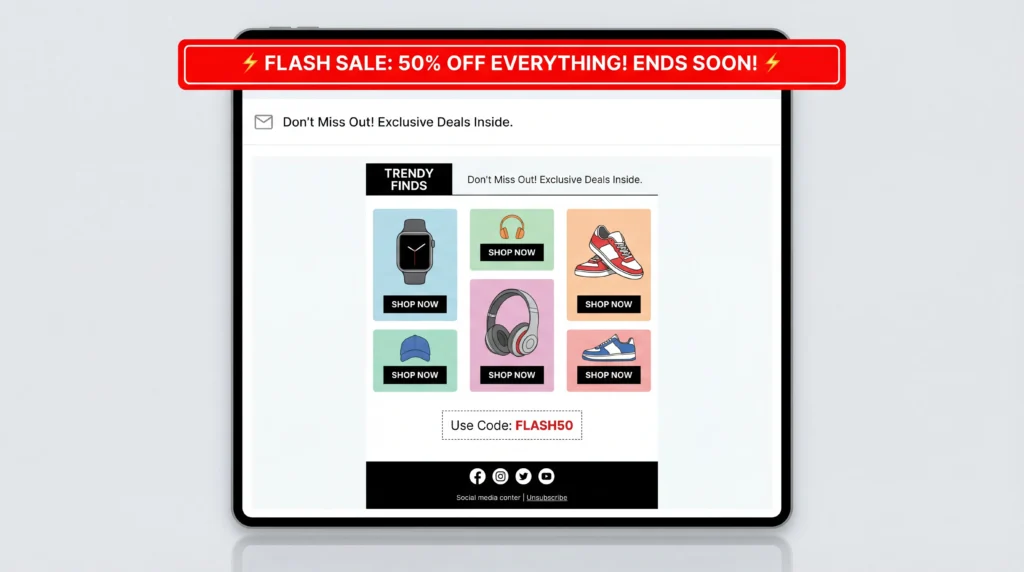
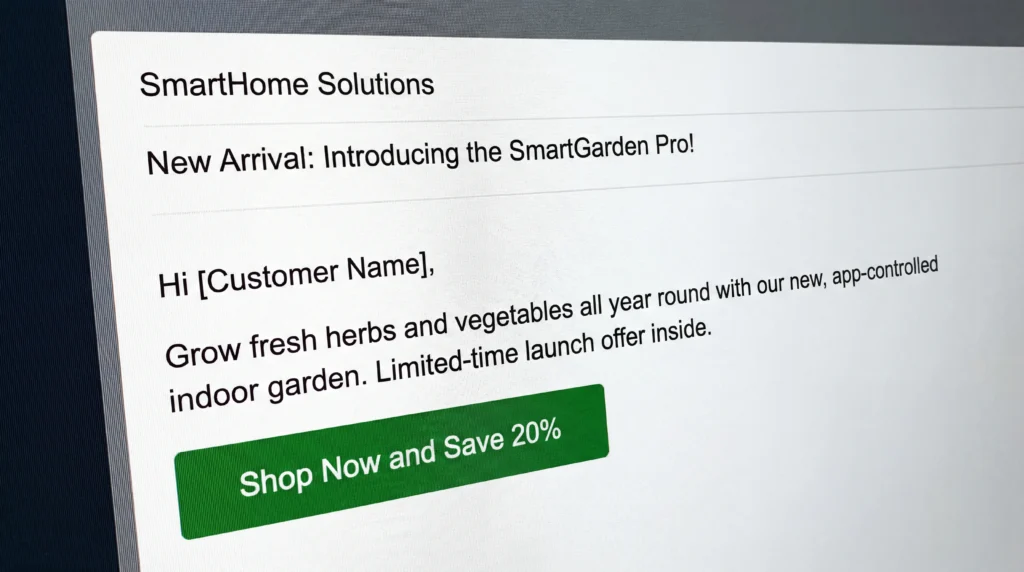
These kinds of emails are aimed squarely at making sales. They announce new products, special offers or seasonal discounts. For example, a retail store could send out an email publicizing a “48-Hour Flash Sale”. What to do next is spelled out very clearly: Shop Now!
Automated Emails (Drip Campaigns)
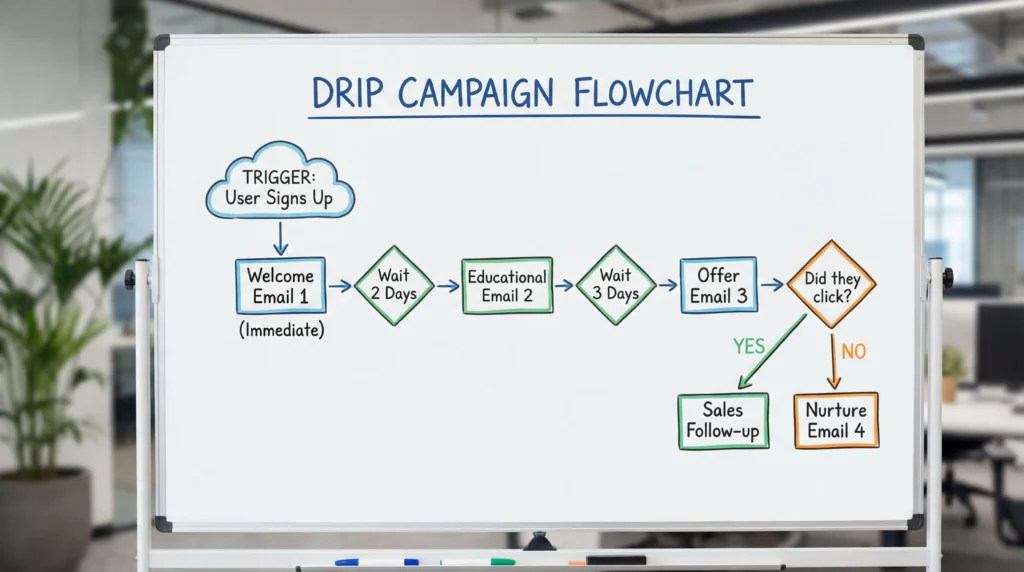
They enable businesses to send a series of emails automatically based on a particular trigger, and also maintain relationships with people who have previously opted in to receive messages from the company.
Welcome Series
The new subscriber welcome series includes a sequence of messages designed to introduce your brand, develop trust and build the new relationship.
Abandoned Cart Emails
If a customer puts items in his cart but doesn’t buy, an automation email can remind him and encourage completion of that task.
Post-Purchase Follow-ups
For people who have just placed their order with you, automate emails to give them information on their order, suggest new products that might be of interest or even ask for a review.
Crafting an Effective Email
Once you’ve got a list of contacts and a goal for your email campaign it’s time to write the messages themselves. A number of elements must work together if you want people opening up your emails in their inboxes.
The Subject Line
Your subject line is your first impression. It must be so compelling that someone is irresistibly drawn to open your email among all the other emails in his or her crowded inbox. Keep it short-transparent and intriguing Using personalisation can also drive up the open rate for example by including the subscriber’s name in the subject line.
The Email Body
Make your email content easy to scan. In addition to keeping paragraphs short, use subheads and bullet points. Ensure that your message delivers on the promise of the subject line and offers unmistakable value to the reader.
The Call to Action (CTA)
Every email should have a clear goal. What do you want the reader to do next? Your call to action should be a prominent button or link which tells them exactly what to do next–for example, “Read the post,” `Shop now’ or “Download our guide”.
Measuring Your Success
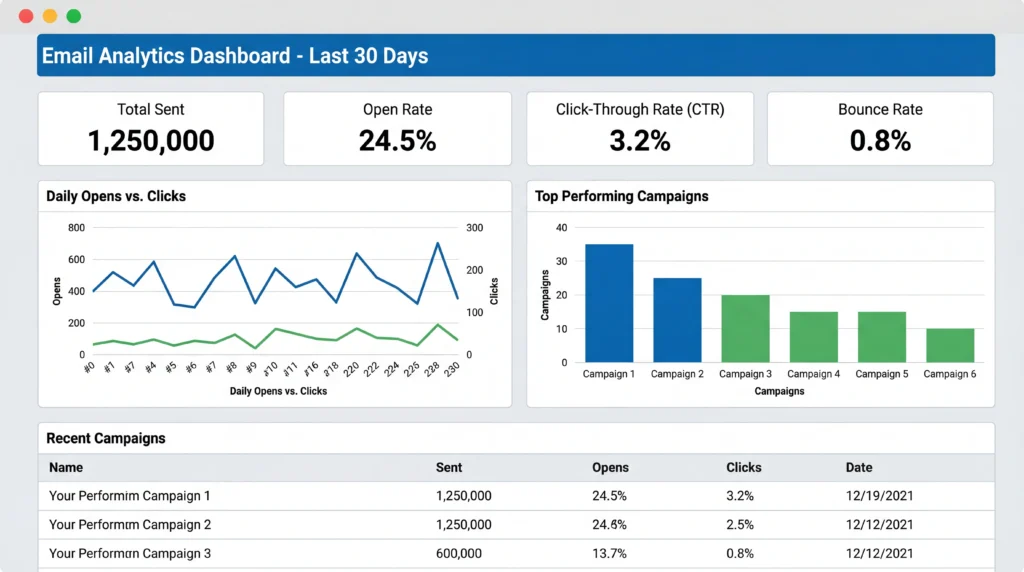
If you want to improve your email marketing, you need to track how well it is performing. Most email marketing platforms offer analytics and insight that help you understand what works.
Key Metrics to Monitor
- Open Rate: The percentage of your e-mail recipients who have opened at least one campaign. This will give you an indication on whether it’s worth trying different subject lines and titles.
- Click-Through Rate (CTR): The percentage of subscribers who clicked on a link from your e-mail. This is an indication how much people like the content and tips in your e-mails, as well as how simple it is to contact you or use a buy now button that may be offered.
- Conversion Rate: The percentage of subscribers who took your desired action (for instance, purchase after clicking a link).
- Unsubscribe Rate: The percentage of people who opt out of your list. A high rate could indicate that either your content does not meet expectations or else they don’t find it worthwhile to remain on a list, even if it costs nothing more than an email address!
FAQs
What is the average ROI for email marketing?
Email marketing typically delivers one of the highest ROIs in digital marketing, often $36-$42 for every $1 spent.
How often should I send marketing emails?
Start with 1-2 emails per week for newsletters; test frequency based on your unsubscribe rates and engagement.
What makes a good lead magnet?
Effective lead magnets solve a specific problem quickly, like checklists, templates, or short guides relevant to your audience.
Are pop-up forms still effective in 2026?
Yes, when timed well (exit-intent or scroll-based) and offering real value, they convert 5-10% of visitors.
Conclusion
Sending email is one of the most effective marketing strategies for online businesses. Completely free from any geographical or chronological constraints, it offers a direct line of communication to your clients. For inexperienced marketers this often results in appealing product purchases that have little or no relationship to their own personal experience at all. For any business existing on the Internet today, this mistake will only make if you are just starting out.